
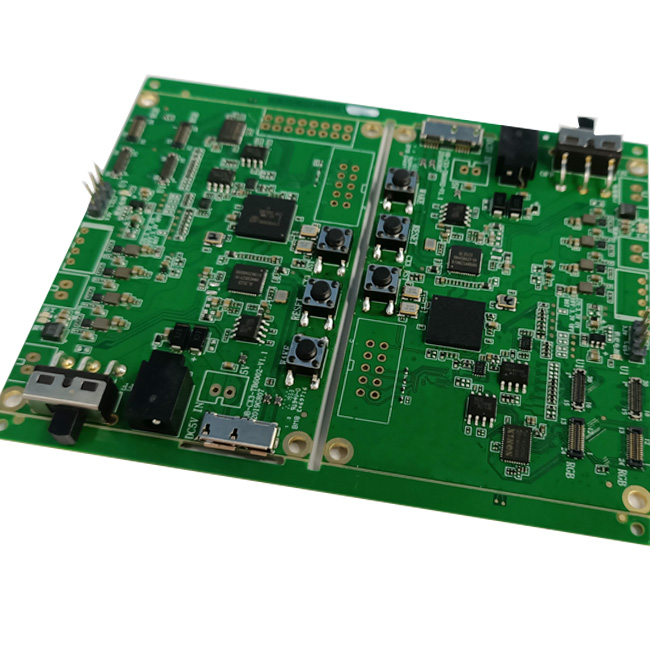
In the fast-paced world of electronics development and production, efficiency, cost-effectiveness, and time-to-market are paramount. For years, the conventional approach for Original Equipment Manufacturers (OEMs) and hardware startups has involved a fragmented supply chain: sourcing printed circuit boards (PCBs) from one specialized fabricator, procuring components from various distributors, contracting a Surface Mount Technology (SMT) factory for assembly, and finally managing testing and final assembly separately. While this segmented model offers perceived control over individual steps, a critical question arises: Is this complex, multi-vendor process truly the optimal solution for modern electronic product development?
A growing body of evidence and industry practice suggests otherwise. The hidden costs of managing multiple suppliers—encompassing procurement overhead, inventory holding, quality inconsistencies, inter-vendor communication gaps, and extended project timelines—often outweigh any perceived savings from shopping for the lowest piece-part quotes. This realization has fueled the rise and undeniable dominance of One-Stop PCBA (Printed Circuit Board Assembly) Services.
This comprehensive guide delves into the essence, advantages, and technical capacities of one-stop PCBA services, demonstrating why they represent not just an alternative, but the superior strategy for bringing reliable electronic products to market swiftly and competitively.
Understanding the One-Stop PCBA Service Model
One-Stop PCBA Service is an integrated manufacturing solution that consolidates the entire electronics production value chain under a single, responsible provider. It is a holistic service encompassing:
- PCB Design Support & DFM Analysis
- PCB Fabrication & Prototyping
- Electronic Components Sourcing & Procurement
- PCBA Processing: Including SMT assembly, through-hole (THD) device insertion, manual welding, and connector crimping.
- Comprehensive Testing: Automated Optical Inspection (AOI), X-ray inspection for BGAs, In-Circuit Test (ICT), and functional validation.
- Final Product Assembly, Packaging, and Direct Shipping.
In this streamlined model, the client provides the essential data—Gerber files, Bill of Materials (BOM), schematics, and assembly drawings—along with their requirements. The one-stop provider then manages the entire journey from raw materials to finished, tested units ready for distribution or integration. The client’s involvement is strategically focused on the initial specification and the final quality assurance, freeing them from the operational complexities of the manufacturing process.
The Compelling Advantages of One-Stop PCBA Services
Transitioning from a multi-vendor approach to a partnered one-stop service delivers transformative benefits across every dimension of project execution.
-
Significant Overall Cost Reduction
Contrary to the initial impression that bundled services might be more expensive, one-stop PCBA services drive down the Total Cost of Ownership. While the unit price for assembly might be compared to an SMT-only quote, the true savings are systemic:
- Eliminated Procurement Overhead: No need for internal teams or resources to source and manage hundreds of components from various suppliers.
- Reduced Inventory Costs: The service provider bears the burden of material inventory and logistics, especially beneficial for Just-in-Time (JIT) production.
- Lower Management & Labor Costs: Dramatically reduces the time and personnel required for supplier coordination, quotation collection, and order tracking.
- Avoidance of Costly Errors: Early design flaw detection prevents expensive rework, scrap, and delays during mass production.
For small businesses and startups, accurate financial planning is crucial. One-stop providers offer transparent, detailed quotations early in the project, enabling realistic cost assessment and budgeting, thereby mitigating financial risk from the outset.
-
Enhanced Efficiency and Accelerated Time-to-Market
Time is a critical competitive edge. The integrated nature of one-stop service dramatically compresses project timelines.
- Seamless Process Flow: The transition from PCB fabrication to component kitting to assembly is internal and instantaneous, eliminating waiting periods and logistics between separate factories.
- Concurrent Engineering: Professional engineering and procurement teams work in parallel, sourcing components while the PCB is being fabricated.
- Single Point of Contact: All communication, queries, and updates are handled through one project management team, drastically reducing administrative delays.
This consolidated timeline allows companies to focus their invaluable internal resources on core competencies like research, development, and market expansion, rather than on supply chain management.
-
Superior Quality and Proactive Risk Mitigation
Quality is inextricably linked to control and visibility. A single-source provider inherently improves quality outcomes.
- Early Design for Manufacturability (DFM) Analysis: Before a single board is produced, experienced engineers review your design files (Gerber & BOM) to identify potential manufacturability issues, thermal concerns, component placement problems, or sourcing challenges. Correcting these in the design phase is trivial compared to post-production failures.
- Unified Quality Standards: The entire process adheres to one consistent quality management system, eliminating the variability and blame-shifting common in multi-vendor setups.
- Advanced In-Process Inspection: Integrated AOI, X-ray, and testing stations ensure defects are caught immediately after each production stage, preventing the propagation of errors.
- Clear Accountability: Should a quality issue arise, there is no complex investigation across multiple suppliers. Responsibility rests unequivocally with the one-stop service provider, ensuring swift resolution.
-
Optimized and Resilient Supply Chain Management
Managing a network of suppliers is a major operational challenge. One-stop PCBA simplifies this into a single, manageable relationship.
- Unified Data Management: All material, production, and test data reside in one system, providing clear traceability and visibility.
- Reduced Supplier Negotiation: Eliminates the need to qualify, contract, and manage relationships with PCB fab houses, component suppliers, and assemblers separately.
- Mitigated Communication Risks: Seamless internal handoffs between departments prevent the costly errors that frequently stem from miscommunication between independent companies.
- Leveraged Buying Power: Established providers have strong relationships with component distributors and PCB fabs, often securing better pricing and guaranteeing supply, which they pass on to clients.
-
Comprehensive After-Sales Support and Flexibility
The service relationship extends beyond delivery.
- Unified After-Sales Responsibility: Any post-delivery support, whether for failure analysis, repair, or additional production runs, is handled by the same provider with full knowledge of the product history.
- Prototype to Production Continuity: The same team that handles your prototyping can seamlessly scale to low-volume, mid-volume, or high-volume production, ensuring consistency.
- No Minimum Order Quantity (MOQ): Many one-stop providers, catering to innovators and startups, offer flexible services with no MOQ, making them ideal for prototyping and small-batch production.
- Inventory & Logistics Services: Many providers can also manage warehousing and direct shipping, further simplifying the client’s operations.
Why Partner with a One-Stop PCBA Manufacturer?
Choosing a partner like a dedicated one-stop PCBA manufacturer crystallizes all the aforementioned advantages into a tangible business relationship. The ideal partner offers:
- Cost Engineering: They work proactively to analyze your project and suggest design or material alternatives to meet cost targets without compromising quality.
- Integrated DFM Analysis: Their ability to conduct fabrication and assembly analysis in-house before production begins is a critical risk-reduction step.
- Time Savings as a Service: They fundamentally sell efficiency, collapsing what would be 3-4 independent project timelines with different vendors into one synchronized, accelerated timeline.
- Adaptive Flexibility: They are structured to react quickly to design changes, requirement shifts, and urgent requests, treating your project with a service-oriented dedication.
- Empowerment for Innovation: By handling all manufacturing complexities, they empower you to focus entirely on product design, functionality, and market strategy—your true competitive advantages.
Conclusion: The Strategic Imperative for Modern Electronics
The evolution of electronics manufacturing clearly points toward integration, simplification, and partnership. The traditional, fragmented approach introduces unnecessary cost, delay, risk, and management overhead. One-stop PCBA service is not merely a convenient option; it is a strategic imperative for companies seeking to innovate rapidly, control costs holistically, ensure superior quality, and navigate the complexities of the global supply chain with agility.
By consolidating your manufacturing needs with a capable, transparent, and communicative one-stop PCBA partner, you transform a logistical challenge into a streamlined, predictable engine for product development. This allows your organization to direct its energy and creativity where it matters most: building better products and capturing market opportunities faster than the competition.
For your next project, consider the integrated approach. Provide your design intent and requirements, and let a professional partner guide you from concept to certified, packaged product, all under one roof. The efficiency gained, costs saved, and risks avoided will clearly demonstrate that one-stop PCBA is the definitive best practice for the modern era of electronics manufacturing.